

Dress kids for skiing with a moisture-managing base layer, enough insulation for the conditions, and an outer layer that keeps snow and wind out. Add one pair of well-fitting ski socks, warm mittens or gloves, a properly fitted helmet and goggles, and suitable face coverage.
Then check whether they can move. A child dressed like a tightly packed sleeping bag may be warm, but we're still hoping for some skiing.
“No need for thick (or multiple) socks - kids do better with one pair of thin socks. They should be snug enough to avoid wrinkles and tall enough to reach well above the height of the boot. You might need to reach in there a few times during the ski day and pull the socks up again. This smooths out the wrinkles and improves comfort. Stay away from cotton socks! Kids'll be warmer and drier with wool or synthetic socks.” — Ski Tips for Kids
Start with the layer next to the skin

Choose a base layer that manages moisture, such as wool or a suitable synthetic fabric. Skiing involves bursts of movement followed by waiting, riding lifts and standing around. Clothing needs to handle both.
The base layer should feel comfortable rather than restrictive. Check waistbands, seams and bunching before adding the rest. For ski boots, avoid stuffing extra fabric into the cuff: socks belong inside; bulky trouser cuffs and snow gaiters belong outside.
An ordinary cotton outfit can become damp and uncomfortable when a child sweats or gets wet. Save it for the journey and the lodge rather than making it the foundation of the ski outfit.
Add insulation, then weather protection
A fleece or other insulating midlayer adds warmth. The outer jacket and ski pants or bibs protect against snow and wind. Some ski outfits already include considerable insulation, so the right combination depends on the clothing and weather.
There isn't one number of layers that works for every child. Adjust for the forecast, wind, activity and how your child feels. If they become hot and sweaty, change the layers or take a break rather than treating overheating as evidence the outfit is working brilliantly.
Check the gaps where snow sneaks in: jacket hem, wrists, waist and boot tops. Bibs can help keep snow out when children sit or fall. A jacket hood needs to work with the helmet rather than bunch behind the neck.
Try the whole outfit at home. Bend, squat, reach forward. Finding a problem in your kitchen is considerably easier than finding it in a lift line.
One pair of socks

Use one pair of ski socks that fit without wrinkles and extend above the boot cuff. More socks can make a closely fitting boot tighter and create folds. They don't automatically make feet warmer.
Pull socks up smoothly before putting boots on. During a break, check for wrinkles or dampness if the child complains. Persistent pain or pressure also deserves a boot-fit check; changing the socks won't fix every boot problem.
Start with warm, dry boots and feet. Dry the equipment between ski days following the manufacturer's instructions, and avoid excessive direct heat. The book's thermos comparison in Later Gaiter is memorable: starting cold makes staying comfortable harder.
For fitting rather than clothing questions, use the Boot Sizing & Mondo Guide.
Mittens, gloves and the spare pair
Mittens are often a good choice for young children because fingers share warmth and little hands have fewer compartments to negotiate. Gloves can suit children who prefer the dexterity. In either case, look for suitable insulation, weather protection and a comfortable fit.
Practise putting them on before the hill. Check that the cuffs work with the jacket and that the child can comfortably hold what they need to hold.
A spare dry pair is especially useful for kids who handle snow all morning. Apparently snow is irresistible, even on a day specifically arranged around sliding on it.
Don't wait for a child to volunteer that their hands are cold. Ask at sensible intervals and during breaks.
Helmet, goggles and face coverage

A snow-sports helmet needs to fit correctly with the clothing worn underneath it. Follow its instructions; don't squeeze a bulky hat under it and assume the original fit remains the same. Goggles should fit comfortably with the helmet and provide a clear view.
A thin, compatible balaclava or neck gaiter can help cover exposed skin. Check that it doesn't obstruct breathing or vision, bunch uncomfortably or affect helmet fit. Avoid loose trailing clothing that could catch on equipment.
On cold, windy days, look at the child's face during breaks and check how they are feeling. The book's Balaclava Beneath Brain Bucket illustration is a useful reminder to consider the spaces between the major pieces of gear.
You don't have to ski until everyone is cold. Going inside is part of the clothing system.
Pack for the outfit you'll have later
Bring spare socks, spare handwear and a dry change for the journey home when possible. A bag for wet items keeps them away from the dry clothes. If your child tends to lose something, give that item a specific home during breaks.
Before getting dressed, handle the bathroom visit. After getting dressed, check zips, cuffs, goggles, socks and comfort. After the first short session, check again. A child standing still in the lodge gives different feedback from a child moving on snow.
A quick clothing check
| Area | Check before skiing |
|---|---|
| Body | Comfortable layers; room to bend and move |
| Outerwear | Snow and wind protection; no obvious gaps |
| Feet | One smooth pair of ski socks; dry, correctly fitted boots |
| Hands | Warm, dry handwear; spare pair packed |
| Head and face | Correct helmet fit; goggles and coverage work together |
| Bag | Spare dry items; somewhere for wet clothing |
Warmth supports the lesson. A comfortable child has more attention available for balance and turning, which is rather the point of coming.
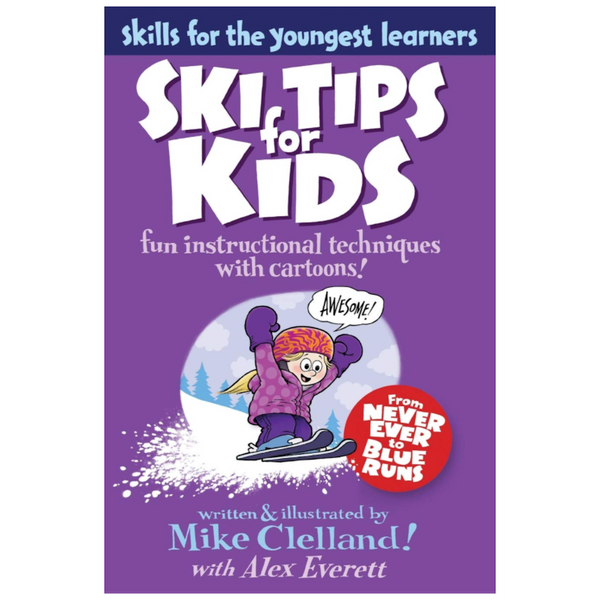
Illustrations by Mike Clelland, from Ski Tips for Kids.
More Ski Tips for Kids
Later Gaiter · Boot Sizing & Mondo Guide · Balaclava Beneath Brain Bucket · Kids' Ski Gear Guide · Skiing is Fun · Sock Talk